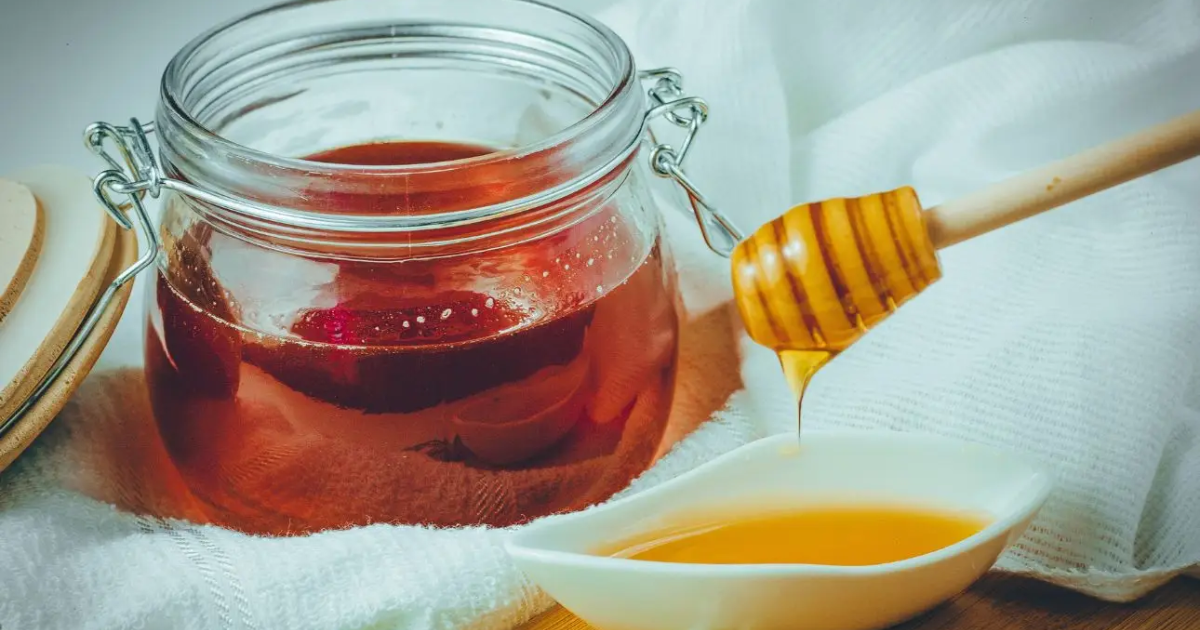
If there’s anyone who truly understands honey, it’s Winnie the Pooh. And if he could give us advice, he’d probably say something like: “Good honey should be natural, fragrant, and free from anything fake.”
But for those of us who love honey just as much as he does, picking the right jar isn’t always as easy as it seems.
Today, not every honey on the shelf is genuine. Some are mixed with sugar syrups, while others are processed so much that they lose their natural goodness. And because honey is one of the most valuable foods we get from nature, it’s worth learning how to choose it wisely.
In this guide, you’ll discover how to recognize high-quality honey, why crystallization is a sign of purity, why Italian honey often stands above the rest, and how the label can reveal secrets most people overlook.
Ready to become a smart honey-buyer? Let’s begin!
Crystallization: Not a Problem — a Superpower
Ever opened a jar of honey and noticed it turning thick, grainy, or cloudy? Great news: that’s exactly what real honey does.
Crystallization is a completely natural process. In fact, it shows that the honey hasn’t been overheated or heavily processed. When honey stays perfectly liquid for months and months, it’s a sign it may have been pasteurized or treated—removing many of the nutrients that make honey special.
Some types, like acacia or chestnut, stay liquid much longer. But others—wildflower, sunflower, and many local varieties—should crystallize over time. If a jar looks like syrup all year long… something’s off. And trust me, Pooh Bear would definitely skip that jar!
Crystallized honey still contains all its enzymes, vitamins, minerals, and antioxidants. It’s alive. It’s natural. It’s exactly what your body benefits from. Honey that never changes texture? Probably not the real deal.
Choose Italian Honey — and Organic If You Can
Italy has some of the strictest rules in Europe when it comes to honey production. With stronger limits on pesticides and chemicals, the honey produced here is often purer and more carefully monitored.
Meanwhile, many supermarket jars come with the vague label:
“blend of EU and non-EU honeys.”
This basically means the honey could come from anywhere in the world, mixed together with minimal traceability. In many cases, these blends are diluted, overheated, or stripped of their natural flavor.
Choosing Italian honey isn’t just about quality—it’s also a way to support local beekeepers and protect bee populations. Without bees, there’s no honey… and honestly, no healthy ecosystem either.
Want a safer choice? Go for organic honey.
Organic honey is produced without chemical pesticides or industrial-level processing. It’s cleaner, more environmentally friendly, and usually much richer in flavor.
Yes, it costs a bit more—but with honey, you truly get what you pay for.
If possible, buy from local beekeepers, farmers markets, or specialty stores. The shorter the supply chain, the fresher and more authentic the honey. And you’ll be supporting people who put real care into their work.
Read the Label — It Reveals More Than You Think
Pooh’s nose may guide him to the best honey, but for us humans, the label is our best friend.
In Italy, producers must list the country of origin, the beekeeper or company, and where the honey was packaged.
If all you see is “EU honey,” “non-EU honey,” or a mix of both… that’s your sign to put it back on the shelf.
Look for precise information—location, type, and production details. The more specific the label, the greater the chance that the honey is genuine and high quality.
Also check the variety:
acacia, wildflower, chestnut, eucalyptus, and so on.
Each honey has its own aroma, color, and texture. A jar that simply says “honey” with no details is usually not the best choice—it could be blended or poor quality.
And what about price?
This is important. A jar of honey sold for €5–6 per kilo cannot be real artisanal honey. Quality honey requires time, effort, and healthy bees.
Good honey from a reputable beekeeper usually costs €20–€35 per kilo.
If the price is suspiciously low, the honey probably is too.
Cheap industrial honeys are often mixed with glucose syrups or watered down. The taste and nutrition don’t compare to authentic honey.
Final Tips: Choose Honey That’s Honest and Pure
Real honey is more than a sweetener—it’s a natural treasure full of benefits. That’s why choosing it wisely matters.
So the next time you’re shopping, remember:
- Crystallization is a good sign.
- Prefer Italian honey.
- Organic is even better.
- Buy local when possible.
- Read the label carefully.
- Be skeptical of very cheap honey.
Good honey nources your body, supports the environment, and tastes infinitely better. And if you want to follow Winnie the Pooh’s wisdom, always go for the most natural, genuine honey you can find.
Because life really is sweeter when your jar is filled with the right honey. 🍯🐝