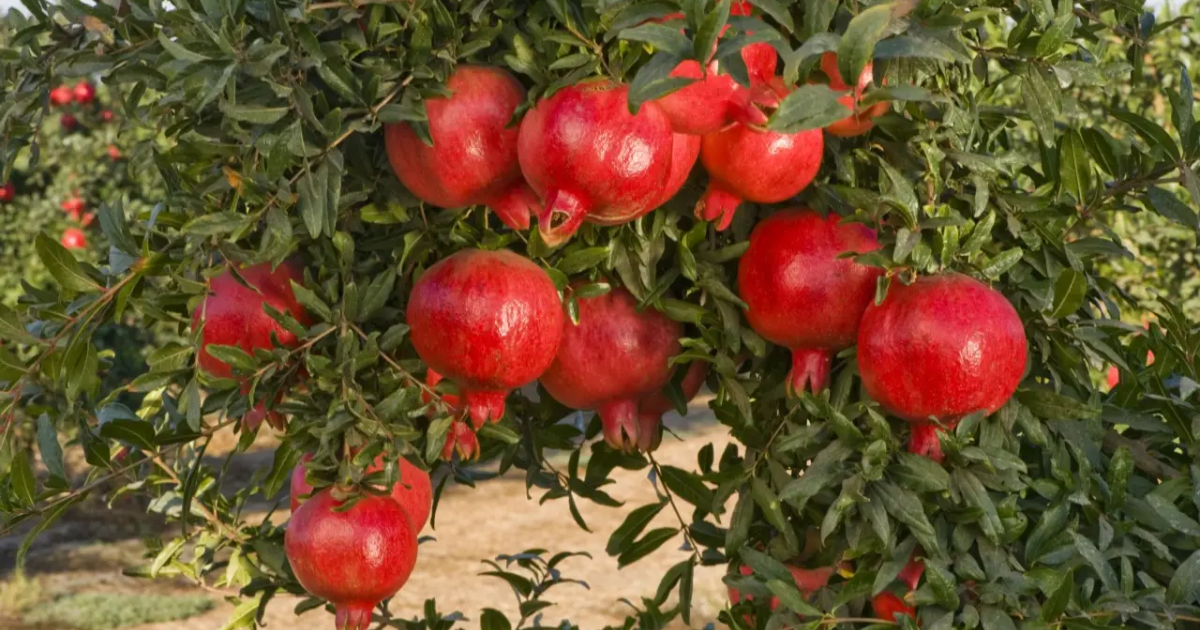
The pomegranate tree has always captured people’s attention—both for its elegant appearance and for its extraordinary fruit. But if you want this plant to reward you with a rich, healthy harvest, you must give it the right care. Like every fruit tree, the pomegranate has its own specific needs, and understanding them is the first step to success.
Even the great Italian poet Giosuè Carducci dedicated a moving poem to this plant, highlighting just how admired it has been through history. However, admiration alone isn’t enough. To help your pomegranate thrive, you need to know how to manage its irrigation, choose an ideal location, understand its preferred climate, and—most importantly—learn how and when to prune it.
Below, you’ll find everything essential to take proper care of this beautiful tree and ensure it produces vibrant blooms and abundant fruit.
What Makes the Pomegranate Tree Special?
The pomegranate tree, which some cultures simply call “pomegranate,” originally comes from the regions surrounding the Himalayas. Over time, it spread across the world, admired for its resilience and the beauty of its fruit. For some gardeners, cultivating it is surprisingly easy; for others, it feels like a stroke of luck.
This plant grows best in climates where temperatures are mild and rainfall is limited. Excess humidity is actually harmful, as it encourages fungi and bacteria that can attack the bark and spoil the fruit.
Choosing the Right Soil
Soil conditions make a big difference. The pomegranate doesn’t like to sit in water, so avoid heavy or water-retentive soil. Even though it dislikes overwatering, it’s extremely tolerant of drought—which makes it a great choice for dry or low-fertility areas. It doesn’t need nutrient-rich soil to survive, but proper drainage is non-negotiable.
A Closer Look at the Fruit
The fruit, known as pomegranate, gets its name from its apple-like outer shape combined with the many seeds—called arils—inside. It’s technically a type of hard berry, with a shape that can range from round to slightly angular, depending on the variety and time of harvest.
With its intense ruby-red color, the pomegranate has often symbolized vitality, passion, and even resurrection in different cultures. But beyond symbolism, it’s packed with vitamins A and C, essential minerals, natural sugars, and powerful antioxidants.
The fruit is safe for everyone to enjoy, though people with diabetes or obesity should consume it in moderation due to its natural sugar content. The juice, known for its rich taste and energizing properties, is especially popular for its health benefits.
Health Benefits of Eating Pomegranate
Pomegranates are more than just delicious—they’re full of nutrients that can truly support your wellbeing. Many nutritionists say that regular consumption may help reduce bad cholesterol and support better fat absorption in the intestines.
Thanks to its fiber content, the fruit also helps relieve constipation. Its antioxidant load contributes to strengthening the immune system and may even help lower certain cancer risks that come with age.
Pomegranates are also rich in potassium, which is essential for muscle function and maintaining stable blood pressure. Additionally, the antioxidants in the fruit may support collagen production, helping your skin stay youthful and reducing signs of aging. It’s a powerhouse food that many people enjoy without fully realizing how beneficial it truly is.
When Is the Best Time to Prune a Pomegranate Tree?
As mentioned earlier, pruning is one of the most important tasks in maintaining a healthy pomegranate tree. Many people find the idea of pruning intimidating, but it’s an essential step for the plant’s growth, health, and overall shape.
Proper pruning helps the tree recover from disease, removes thin or damaged branches, and eliminates parts that no longer produce flowers, fruits, or leaves. It allows air and light to reach the inner branches, encouraging vigorous growth and better fruiting.
Over time, a pomegranate tree can lose its natural shape, so pruning also keeps it looking neat and well-balanced.
The Right Season to Prune
The ideal time to prune a pomegranate tree is between February and March, when winter is ending and the plant is still dormant. This timing allows the tree to direct its energy into producing new, healthy growth in spring.